How Many Balloons Does a Helium Tank Fill? (Size Guide)
May 28, 2026
The short answer: it depends on the balloon. Standard 9-inch latex balloons filled with helium float for around 5–7 hours, 11-inch latex for around 10–12 hours, and foil (mylar) balloons can float for days — often a week or more. A few simple choices can stretch those times considerably.
Helium balloon float times by type
| Balloon | Typical float time |
|---|---|
| 9″ latex | ~5–7 hours |
| 11″ latex | ~10–12 hours |
| 18″ foil / mylar | Days (often a week or more) |
| Giant number / shape foils | Several days to weeks |
These are guide figures for indoor conditions — heat, handling and treatment all change them.
What affects how long balloons float
- Material. Latex is naturally porous, so helium slowly seeps out. Foil holds helium far better and lasts much longer.
- Temperature. Heat expands the gas and speeds up loss; cold makes balloons shrink and sink temporarily (they often recover in a warmer room). Avoid direct sun, radiators and air-con drafts.
- Overinflation. Stretched latex leaks faster and pops more easily.
- Size. Bigger latex balloons hold more helium relative to their surface, so they generally float longer than small ones.
How to make helium balloons last longer
- Use a float-extending gel. A latex coating such as Hi-Float seals the inside of the balloon and can make it last several times longer.
- Choose foil for longevity. If balloons need to survive a whole weekend, foil is the reliable choice.
- Don’t overfill. Fill to round, not tight.
- Keep them cool and still. Room temperature, out of direct sun and drafts, handled gently.
- Fill close to the event — especially for latex.
When should you inflate for an event?
- Latex balloons: fill on the day, ideally a few hours before guests arrive.
- Foil balloons: can be inflated the day before without much loss.
- Big installations: build as late as practical, and keep a little spare helium for touch-ups.
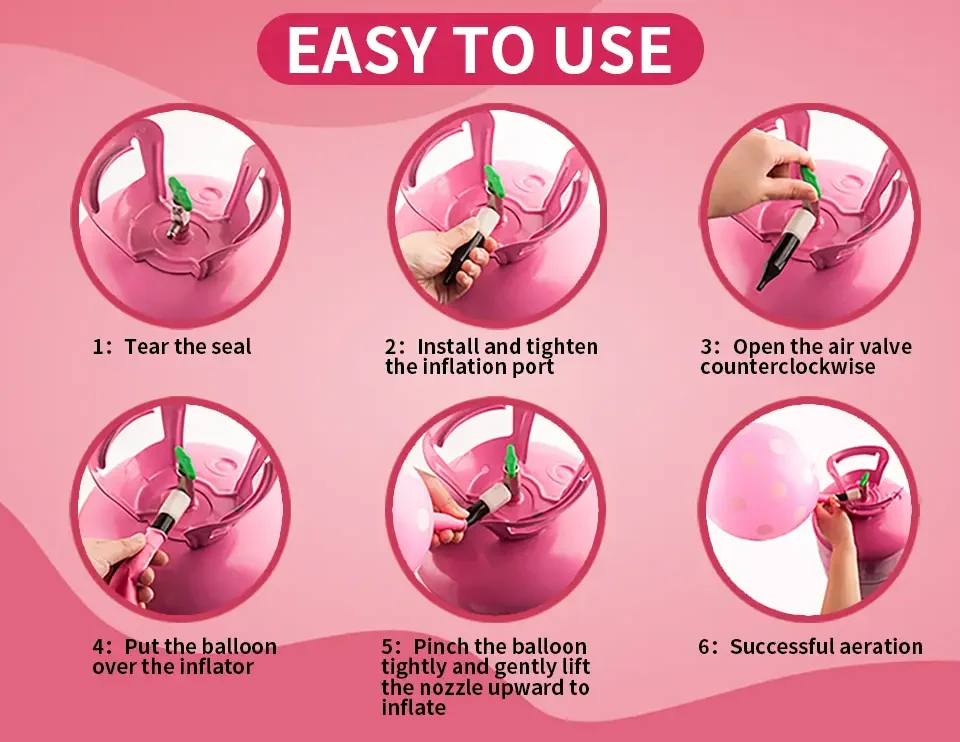
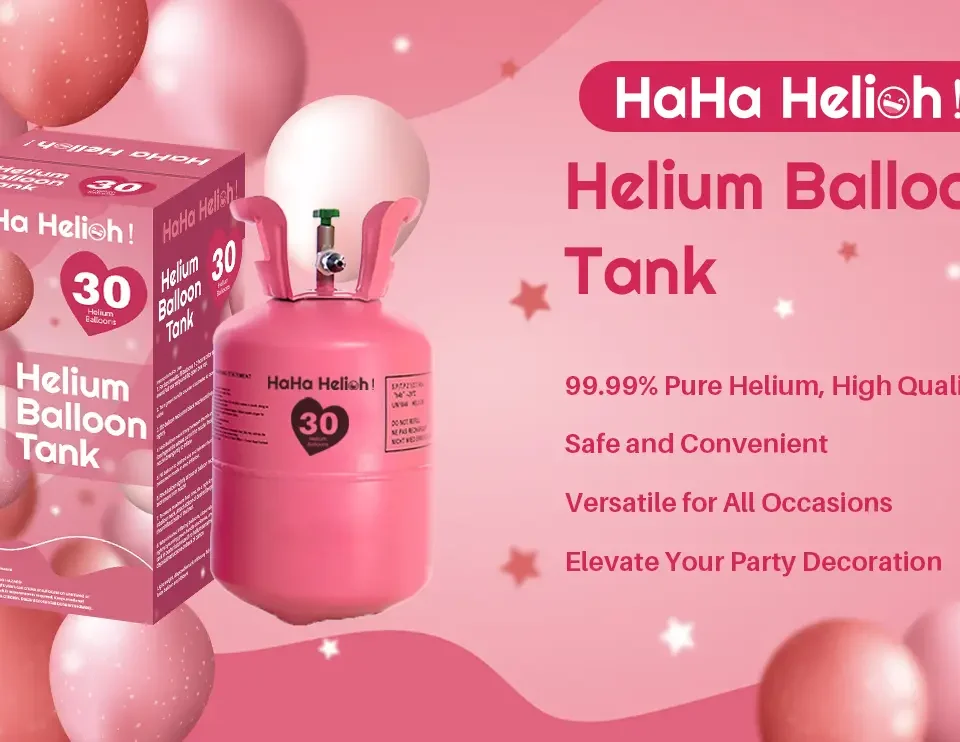
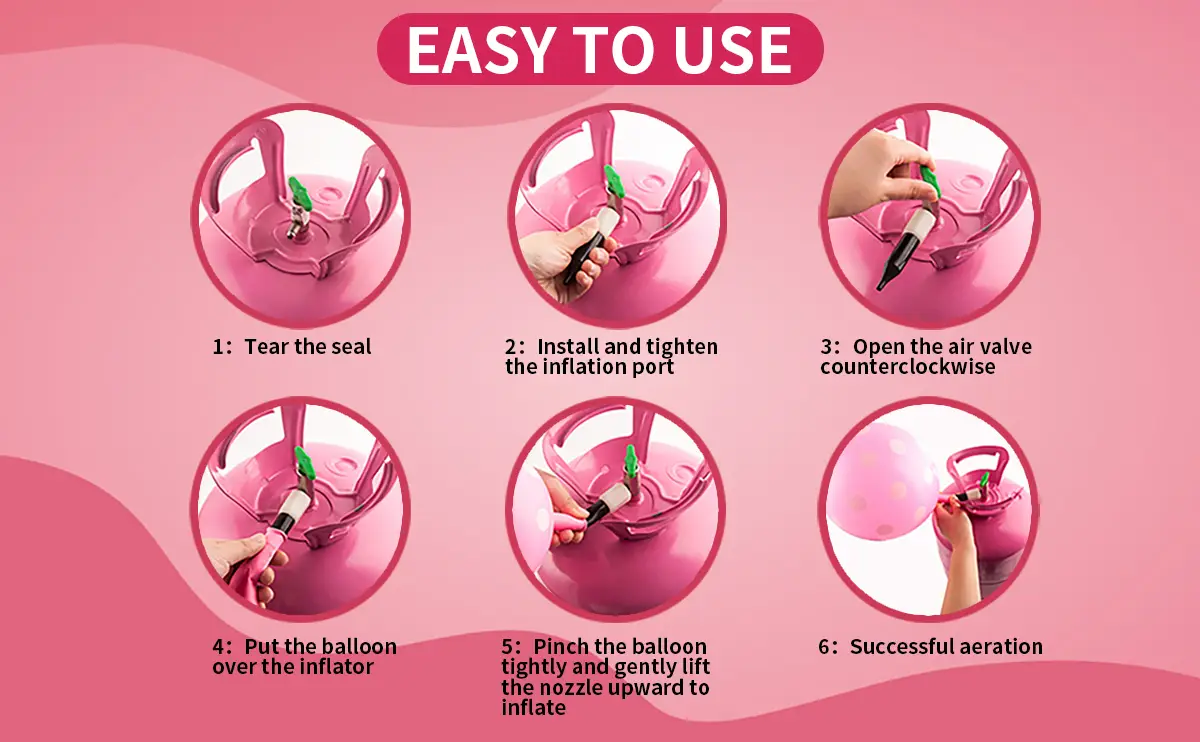
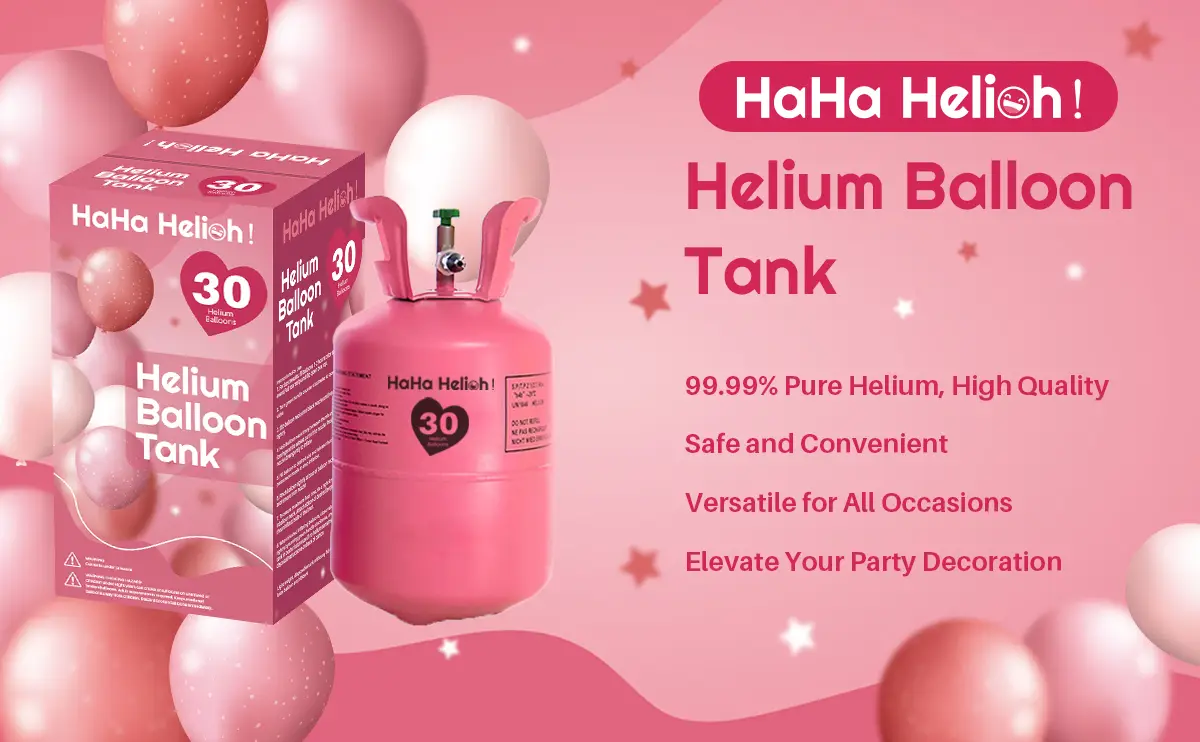
Not sure how much gas you’ll need? See how many balloons a helium tank fills.
A quick safety reminder: never inhale helium. It’s non-toxic and non-flammable, but breathing it displaces oxygen and can cause dizziness or fainting. Keep tanks away from children and heat.
Ready to fill your balloons? [Browse helium tanks] and get everything floating in minutes.